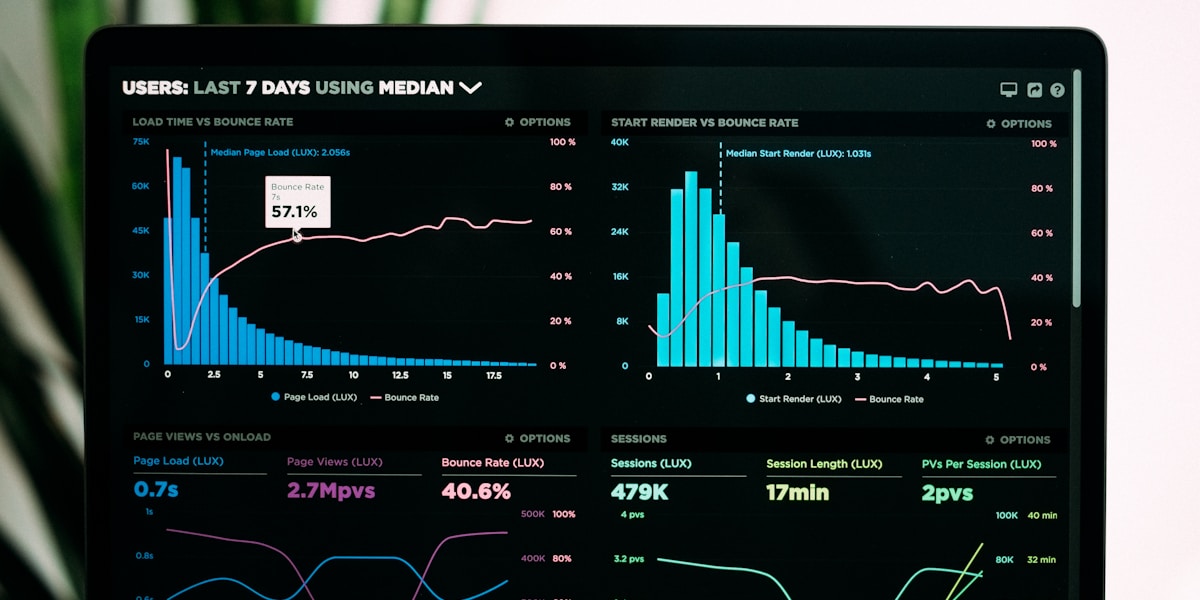
You've built a beautiful dashboard. Nobody uses it. Sound familiar? Let's fix that.
Why Most Executive Dashboards Fail
The problem isn't technical - it's about understanding what executives actually need:
- They have 2 minutes, not 20
- They want answers, not data
- They need to take action, not just observe
Your dashboard should answer: "What do I need to do today?"
The 3-Second Rule
An executive should understand your dashboard in 3 seconds:
✅ Good: Big number showing revenue vs target with clear up/down indicator ❌ Bad: Table with 47 rows of regional data
The Essential Elements
1. Start With the Headline
Put the most important metric front and center:
┌─────────────────────────────┐
│  Monthly Revenue            │
│  $2.4M                      │
│  ↑ 12% vs last month        │
│  ✓ On track for target      │
└─────────────────────────────┘
2. Show Context, Not Just Numbers
Every metric needs three things:
- The number - What is it?
- The trend - Is it getting better?
- The benchmark - Is it good enough?
3. Use The Traffic Light System
Color-code for instant understanding:
| Status | Color | Meaning | |--------|-------|---------| | 🟢 Green | Success | Above target | | 🟡 Yellow | Warning | Needs attention | | 🔴 Red | Critical | Action required |
Layout Strategies
The Pyramid Structure
┌──────────────────────────────────────┐
│  Main KPI (Biggest, most important)  │
├─────────────────┬────────────────────┤
│  Supporting     │   Supporting       │
│  Metric #1      │   Metric #2        │
├──────┬──────┬───┴──┬──────┬──────────┤
│Detail│Detail│Detail│Detail│Detail    │
└──────┴──────┴──────┴──────┴──────────┘
Most important → top Supporting details → below Granular data → bottom (or separate page)
The Grid of Four
Perfect for balanced scorecard view:
┌─────────┬─────────┐
│ Finance │ Customer│
├─────────┼─────────┤
│ Process │ People  │
└─────────┴─────────┘
Choosing the Right Metrics
North Star Metric
Every dashboard needs ONE primary metric that matters most:
- SaaS: Monthly Recurring Revenue (MRR)
- E-commerce: Gross Merchandise Value (GMV)
- Media: Daily Active Users (DAU)
Supporting Metrics
Add 3-5 metrics that drive the North Star:
For MRR:
- New customers
- Churn rate
- Average revenue per user
- Conversion rate
Design Principles for Executives
1. Use Big Numbers
Don't hide important metrics in small fonts:
❌ Revenue: $2,456,789
✅ $2.5M
2. Minimize Chart Types
Stick to:
- Line charts for trends
- Bar charts for comparisons
- Big numbers for key metrics
Skip:
- Pie charts (usually)
- 3D anything
- Complex combo charts
3. Remove All Unnecessary Elements
Every element should answer: "Does this help make a decision?"
Remove:
- Decorative borders
- Heavy gridlines
- Company logo on every page
- Redundant legends
- Background images
Interactive Features That Work
Drill-Down Hierarchy
Revenue
  └─ By Region
      └─ By Product
          └─ By Customer
Click to go deeper, not everything at once.
Time Comparison Toggles
Let users switch between:
- This month vs last month
- This quarter vs last quarter
- Year-over-year
Alert Thresholds
Set automatic alerts:
IF revenue < target * 0.9 THEN
  SEND ALERT TO executives
END
Mobile Considerations
Mobile-first design:
- Stack metrics vertically
- Use large touch targets
- Simplify even further
- Test on actual phones
The Refresh Strategy
Different metrics need different refresh rates:
| Metric Type | Refresh Rate | |-------------|--------------| | Financial | Daily | | Operations | Hourly | | Real-time systems | Minutes | | Strategic | Weekly |
Don't refresh everything every minute - it's wasteful and distracting.
Getting Adoption
Build dashboard WITH executives, not FOR them:
- Interview them first - What questions do they need answered?
- Start with mockups - Get feedback before building
- Iterate quickly - Weekly updates based on usage
- Train personally - 15-minute one-on-one walkthrough
Measuring Success
Your dashboard is successful when:
- ✅ Executives check it daily
- ✅ It drives decisions in meetings
- ✅ You get requests to add more metrics
- ✅ Other teams want similar dashboards
Conclusion
The best executive dashboard is the simplest one that answers critical questions instantly.
Focus on clarity over complexity, and you'll build something people actually use.