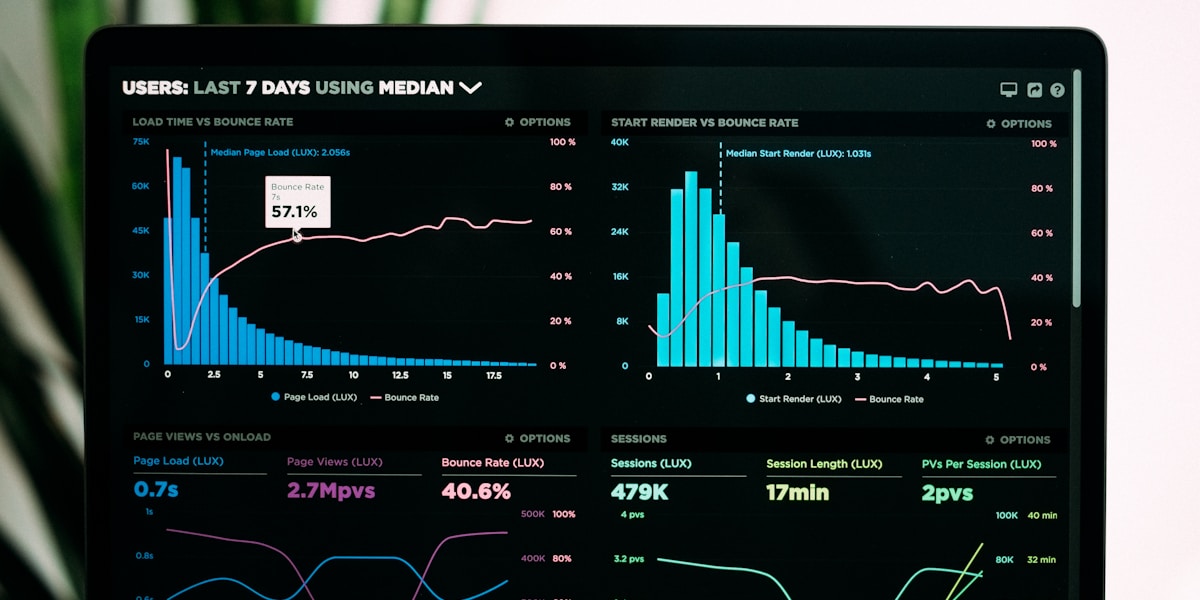
Are you spending hours every week creating the same reports? It's time to automate and reclaim your valuable time.
The Hidden Cost of Manual Reporting
Manual reporting isn't just tedious - it's expensive. Consider how much time your team spends on:
- Gathering data from multiple sources
- Copying and pasting into spreadsheets
- Formatting and styling reports
- Distributing reports to stakeholders
The average analyst spends 20+ hours per month on repetitive reporting tasks. That's time that could be spent on actual analysis and strategic thinking.
Steps to Automate Your Reports
Step 1: Audit Your Current Process
Before automating, understand what you're working with:
| Task | Time Spent | Frequency | Priority | |------|------------|-----------|----------| | Data collection | 2 hours | Daily | High | | Report formatting | 1 hour | Weekly | Medium | | Distribution | 30 min | Weekly | High |
Step 2: Centralize Your Data
Connect all your data sources to a single platform. This eliminates manual data gathering and ensures consistency.
-- Example: Automated daily sales summary
SELECT
  DATE(created_at) as date,
  COUNT(*) as total_orders,
  SUM(amount) as total_revenue,
  AVG(amount) as avg_order_value
FROM orders
WHERE created_at >= CURRENT_DATE - INTERVAL '7 days'
GROUP BY DATE(created_at)
ORDER BY date DESC;
Step 3: Build Report Templates
Create reusable templates that automatically populate with fresh data. Key elements to include:
- Dynamic date ranges - Reports that update automatically
- Calculated metrics - KPIs computed in real-time
- Conditional formatting - Highlight important changes
Step 4: Schedule Automated Delivery
Set up automatic report distribution:
- Define recipients and frequency
- Choose delivery method (email, Slack, dashboard)
- Set up alerts for anomalies
Real Results
Companies that automate their reporting see significant improvements:
- 75% reduction in report creation time
- 99% fewer data entry errors
- Faster decision-making with real-time data
Getting Started
You don't need to automate everything at once. Start small:
- Pick one weekly report
- Identify the data sources
- Build the automation
- Test and iterate
The time you invest in automation today will pay dividends for months to come.